
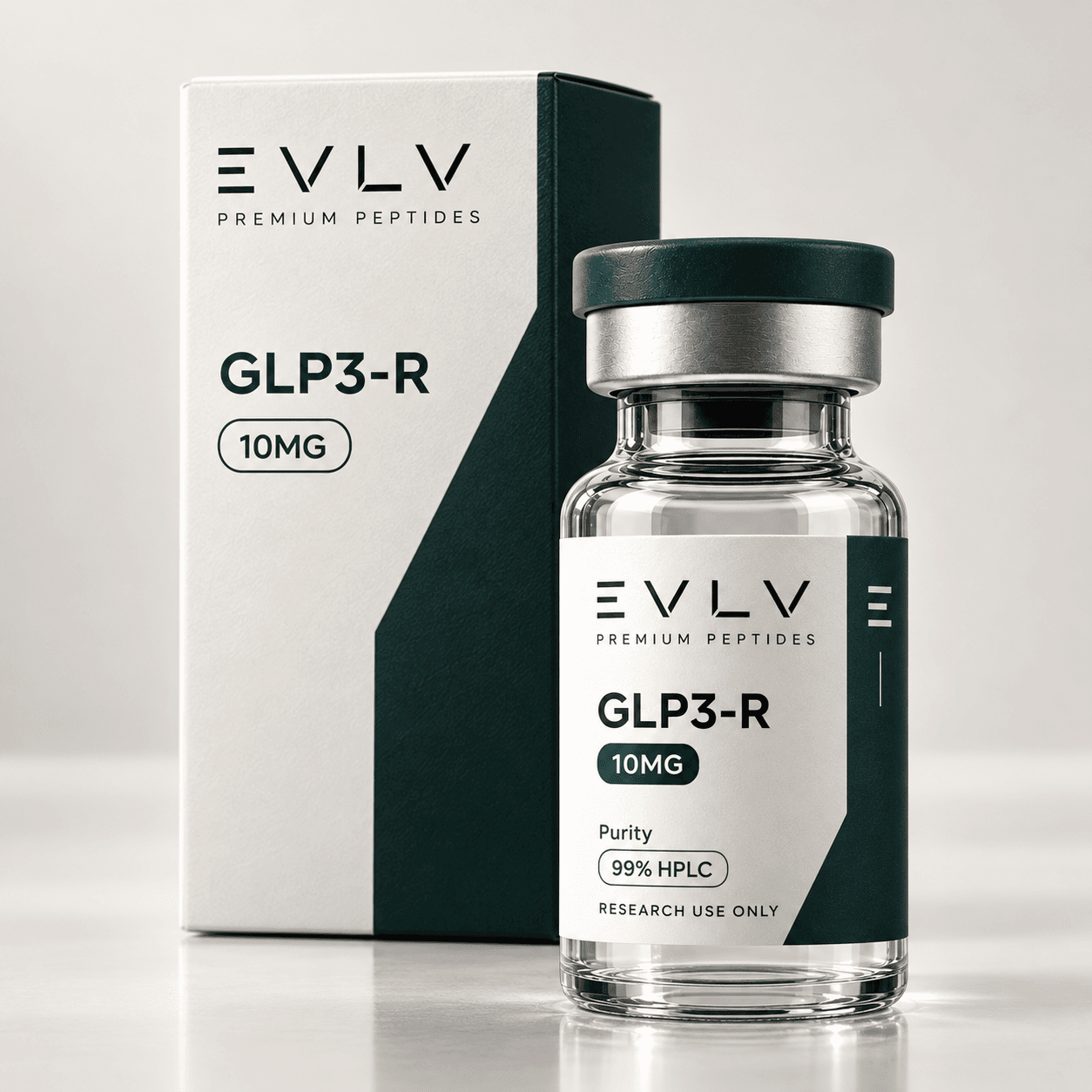
Reported purity 99.53%
MOTS-C 10MG
£23.99 GBP
For Research Use Only · Not For Human or Veterinary Use · UK Research Compounds
Research classification
This collection organizes peptide and non-peptide materials commonly discussed in mitochondrial and cellular-energy research. EVLV presents them as laboratory materials with product-specific identity and documentation, not as wellness or medical products.
Strictly for laboratory and analytical research. Not for human or veterinary use.
Current catalogue
4 current listings. COA badges appear only when a matching product report is available.
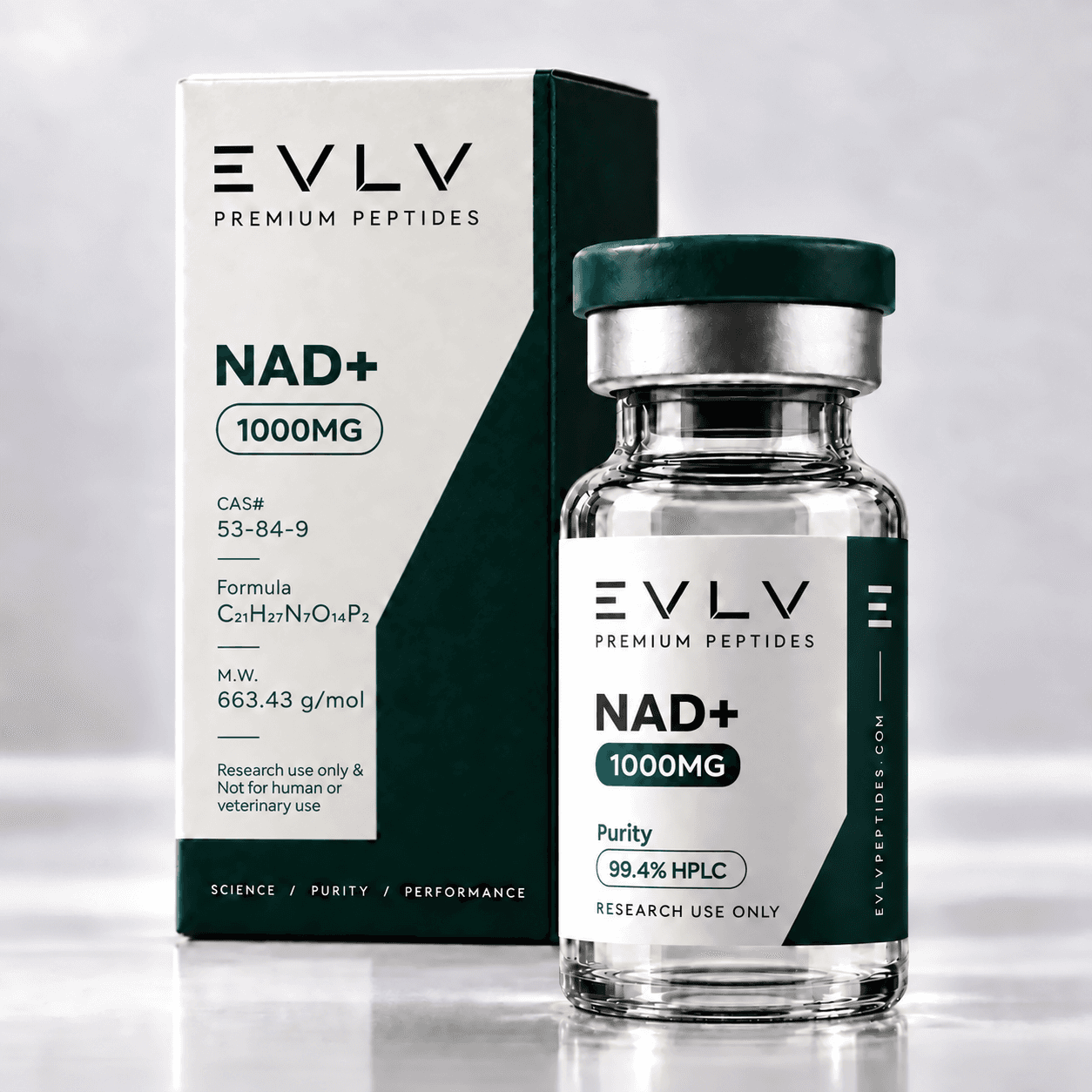

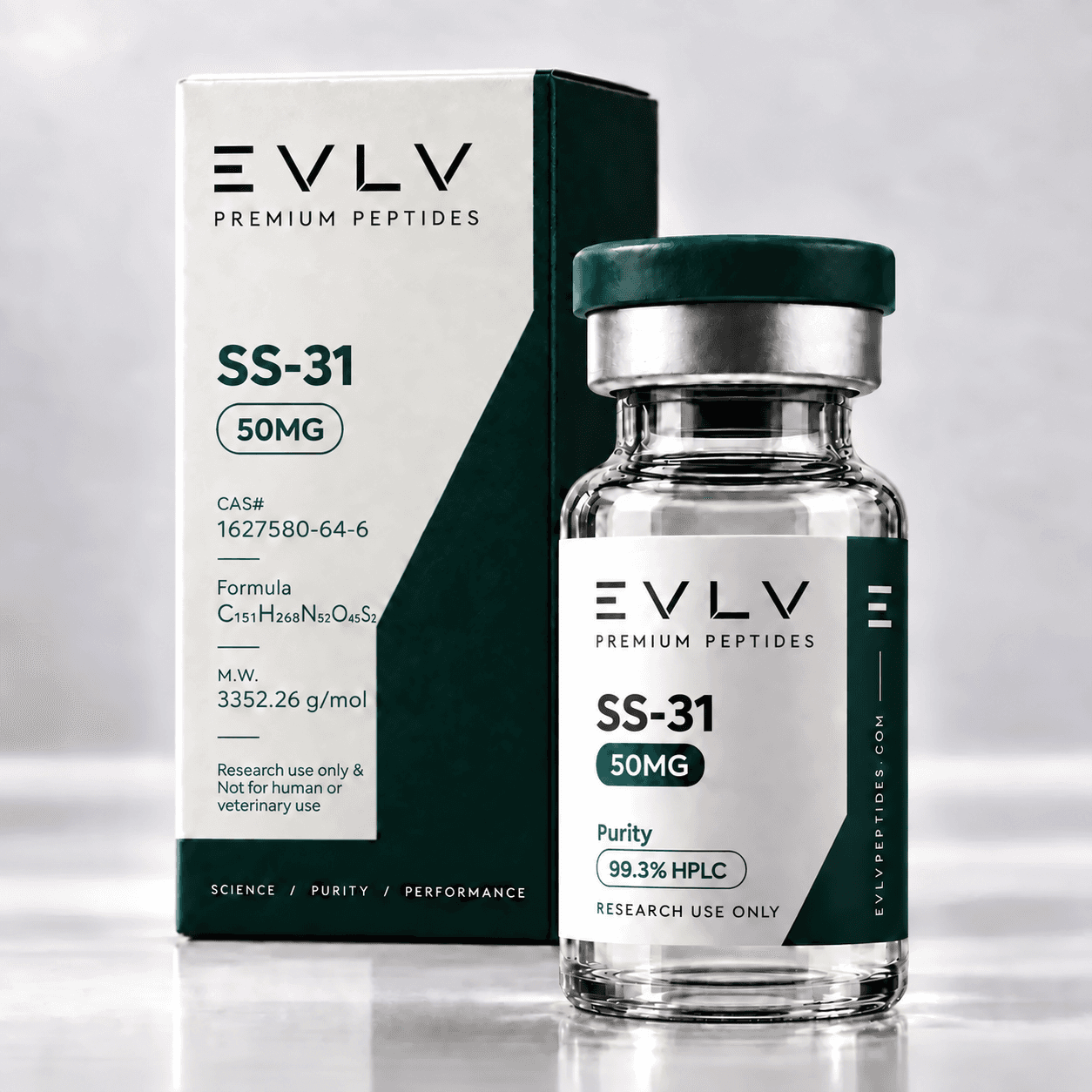
Compound research hubs
Compare identities, strengths, exact-documentation requirements, and relevant laboratory guides before opening an individual listing.
Identity, available strengths, analytical context, COAs, and related lab guides.
Open research hub Mitochondrial-derived peptide research compoundIdentity, available strengths, analytical context, COAs, and related lab guides.
Open research hub Nicotinamide adenine dinucleotide research compoundIdentity, available strengths, analytical context, COAs, and related lab guides.
Open research hub Mitochondria-targeting tetrapeptide research compoundIdentity, available strengths, analytical context, COAs, and related lab guides.
Open research hub Mitochondrial-derived peptide research compoundIdentity, available strengths, analytical context, COAs, and related lab guides.
Open research hubDocumentation first
A category may include chemically different materials, so the most useful evidence remains product specific: compound identity, labeled amount, sample or lot code, analytical method, reported result, and test date. Purity does not by itself establish identity, content, sterility, or suitability for a particular experiment.
Explore by research class
Browse focused collections without losing product-level documentation and availability.
Common questions
No. It is a research catalogue classification only. EVLV does not market these products for diagnosis, treatment, prevention, or personal use.
Review chemical identity, labeled amount, storage information, stock status, and whether an exact current product report is available.
No. Purity and identity answer different analytical questions. Review the actual methods and scope stated in the report.